
The River Wye was once one of Britain's most celebrated waterways — a Site of Special Scientific Interest, a fly-fishing destination of international repute, and a habitat for otters, kingfishers, and rare aquatic plants.
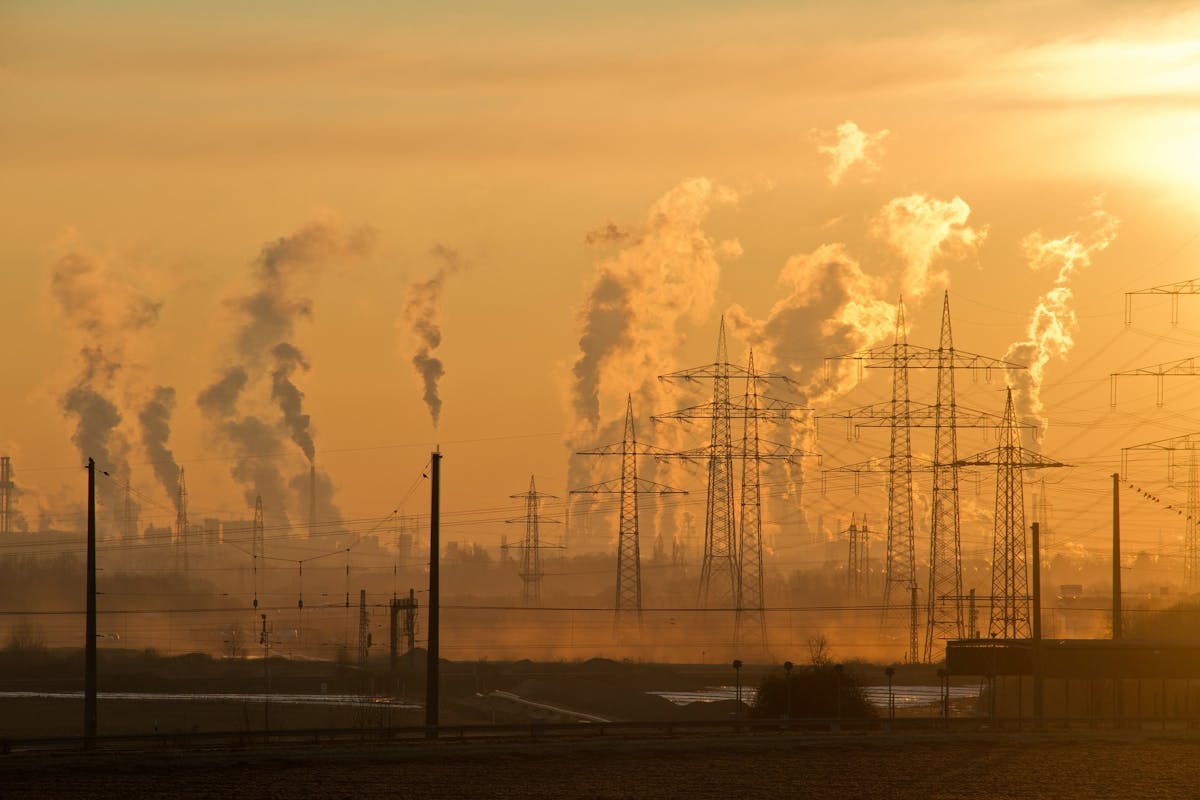
Today, it is one of the most polluted rivers in Britain. Algal blooms, fuelled by phosphate run-off from the intensive poultry farming that dominates its catchment, have reduced it to a shadow of its former ecological richness.
The Wye is an extreme case. But it is not unique.
The Scale of the Problem
The Environment Agency's most recent assessment found that no English river meets 'good' status for all measures — chemical, biological, and physical. The European Water Framework Directive target of 60% good status by 2015 has not been met, with no credible prospect of meeting its 2027 revised deadline.
The causes are well-understood: sewage discharges from water companies that have underinvested in treatment capacity; agricultural run-off from intensive livestock and arable operations; abstraction that reduces river flows to levels below which ecosystems can function; and a planning system that has permitted development on floodplains and riparian buffer zones.
What Enforcement Exists
The Environment Agency is the regulator responsible for river quality. Its budget has been cut by 50% in real terms since 2010. Its enforcement activity — visits, prosecutions, penalties — has declined in parallel.
The relationship between the EA and the regulated industries it oversees has been criticised by parliamentary committees as insufficiently adversarial.