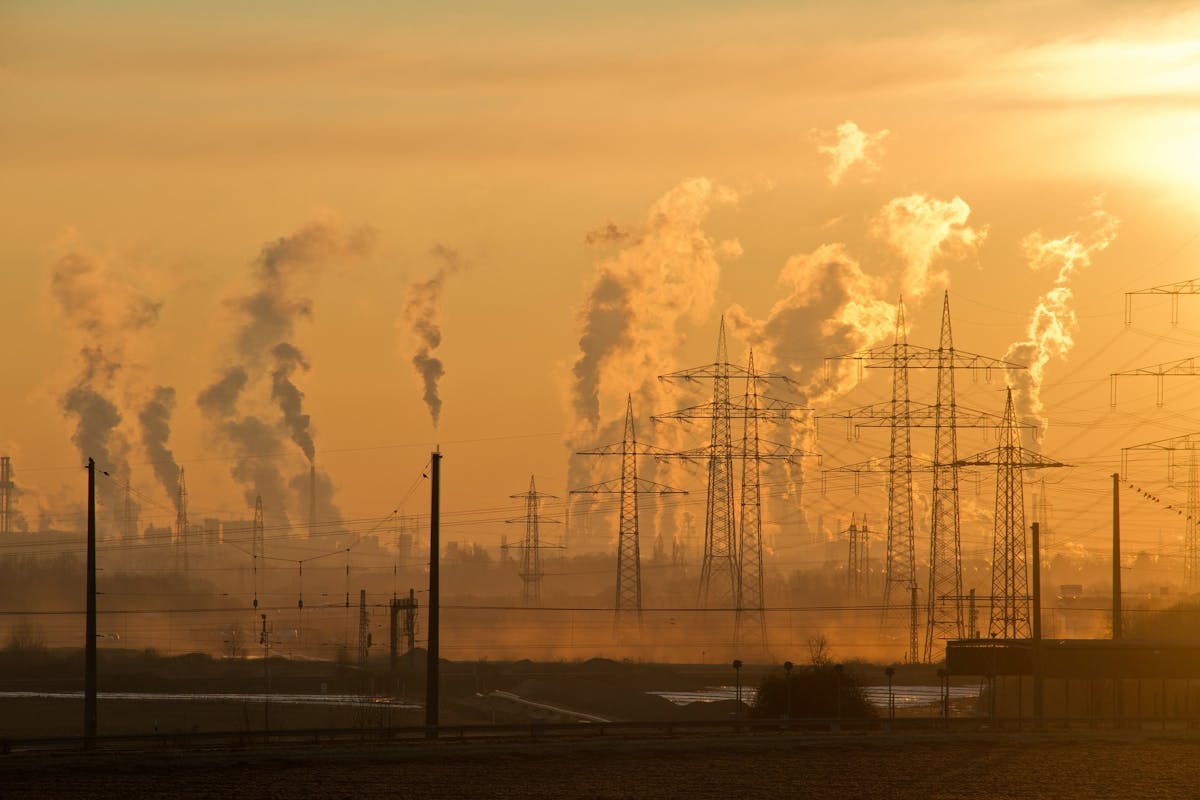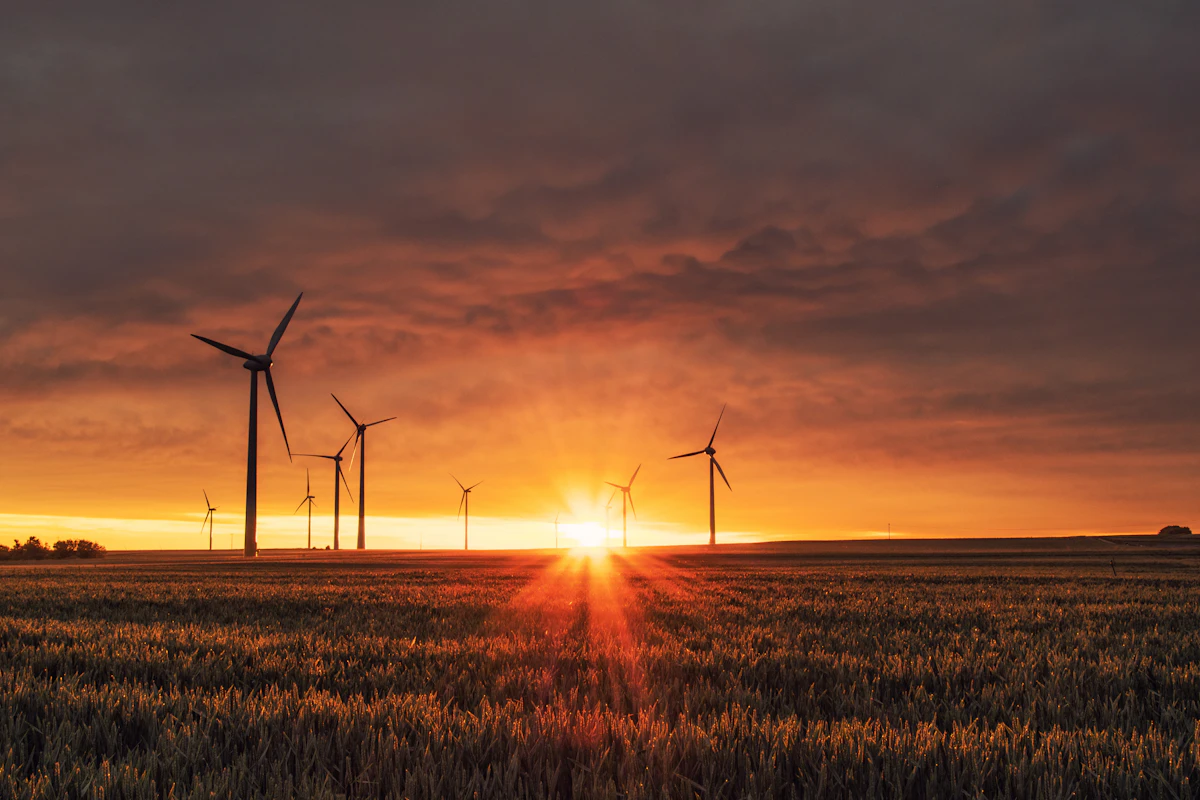
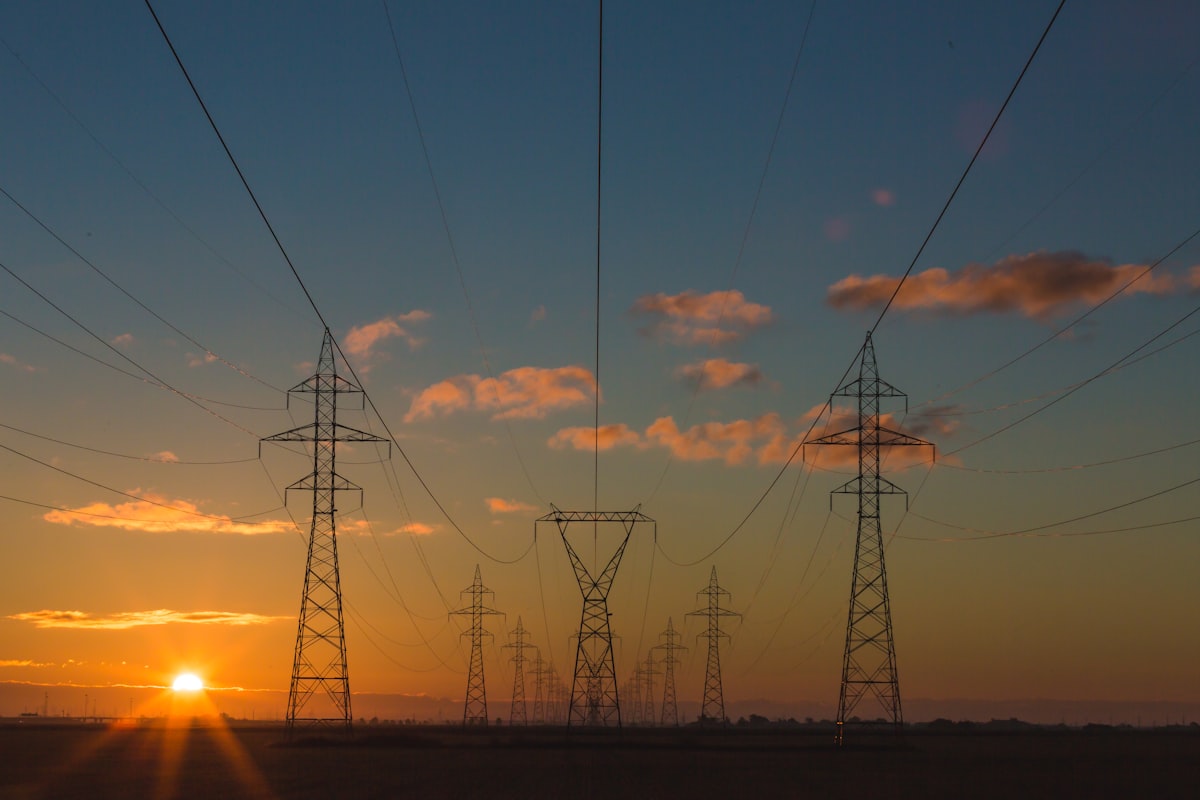
The 2030 clean electricity target — reducing unabated fossil fuel generation to zero by the end of the decade — is the most ambitious energy commitment any British government has made. It is also, on current trajectories, achievable — but only just.
Where We Are Now
Renewable sources generated 43% of UK electricity in 2024, up from 29% in 2019. Offshore wind capacity has doubled in five years. Solar generation has grown from negligible to significant. The trajectory is clearly in the right direction.
The challenge is the gap. Getting from 43% to 100% in six years requires deployment at a pace that exceeds anything previously achieved.
The Grid Problem
More renewable generation does not automatically mean a clean electricity system. The electricity grid needs to be able to match supply and demand at all times — and solar and wind are intermittent.
The solutions — more interconnection with European grids, more grid-scale battery storage, smarter demand management, more pumped hydro — are all technically available. Getting them built at the required scale in six years is the bottleneck.
The Consenting Problem
Planning approval for electricity infrastructure — both generation and grid — is painfully slow. A typical offshore wind farm takes 12–15 years from development to operation. Grid upgrades require extensive legal process. The government has taken steps to accelerate consenting; whether these steps are sufficient is genuinely uncertain.
What 2030 Clean Power Would Mean
A clean electricity system would reduce UK carbon emissions by approximately 95 million tonnes annually — the single biggest step in the net zero transition.