
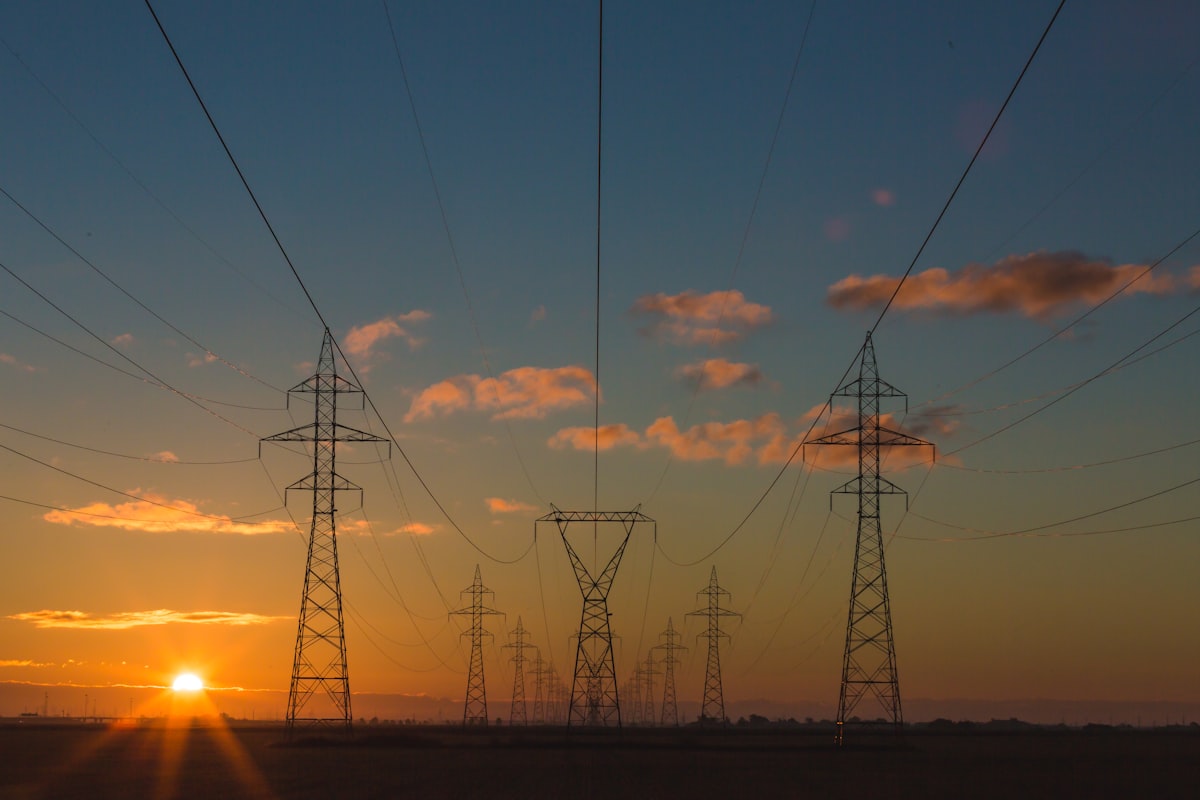
The net zero commitment is the right policy. The planet is warming; human activity is the primary cause; the consequences of failure are catastrophic. These facts are not seriously in dispute among people who engage honestly with the evidence.
The question is not whether to pursue net zero but how to do it in a way that is economically efficient, socially just, and politically sustainable.
The Costs
Transitioning the UK economy to net zero emissions by 2050 will cost between £50 billion and £100 billion per year over the next twenty-five years, according to various estimates. The range reflects genuine uncertainty, not careless analysis.
These costs are not all additional — they replace spending on fossil fuels that would otherwise continue. And they generate economic activity: construction, manufacturing, skills development.
The Distribution Problem
The costs and benefits of net zero do not fall equally. Households in rural areas, heavily dependent on gas heating and personal vehicles, face proportionately higher transition costs than urban residents with access to public transport and district heating.
Low-income households, who spend a higher proportion of their income on energy, are more exposed to the costs of the transition than to its benefits — unless policy actively redistributes.
The Political Economy
Every year that net zero is delayed, the eventual cost increases. Every year of delay also increases the physical climate risks that provide the rationale for the transition. The case for urgency is clear; the mechanisms for making it politically durable are less so.