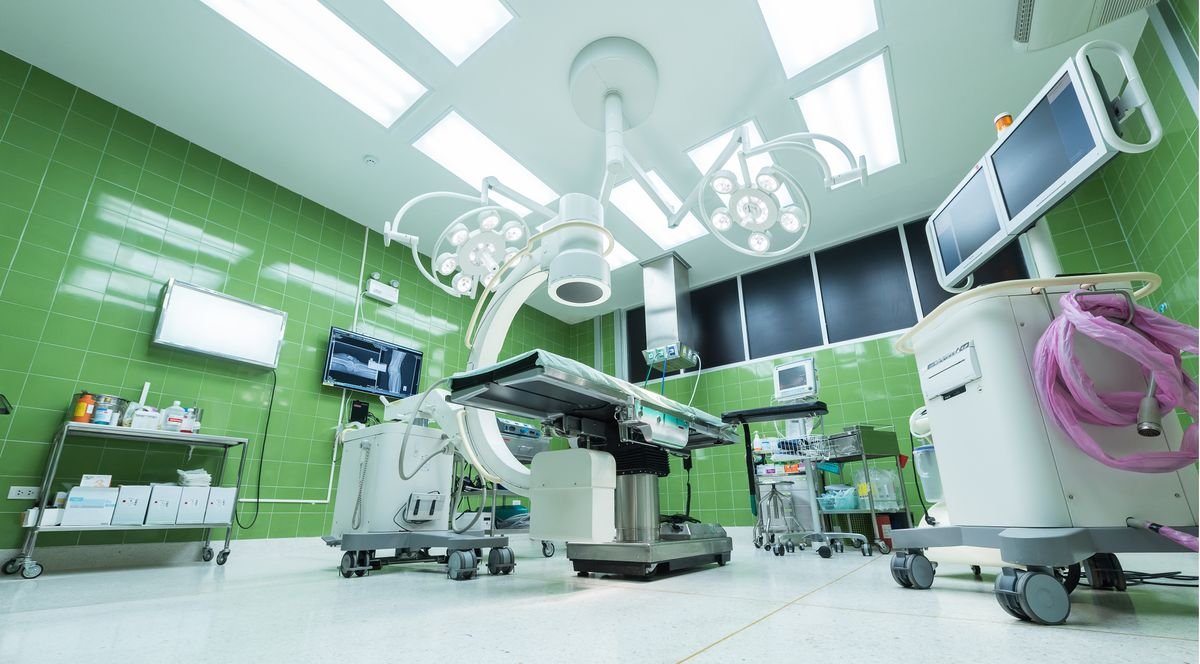
A six-day period of industrial action by resident doctors in England ended on 13 April 2026, with NHS England confirming that services were resuming after a period in which tens of thousands of appointments, elective procedures and diagnostic tests had been postponed across the country. The strikes, which ran from 7 to 13 April, represented the continuation of a dispute over pay and conditions that had intermittently disrupted NHS services since 2023.
During the strike period, NHS England repeatedly urged patients who needed care to continue presenting to emergency departments, GP surgeries and urgent care services, emphasising that the withdrawal of labour did not extend to emergency and critical care services. However, the knock-on effects of reduced staffing on wards and in operating theatres created capacity pressures even in services not directly affected by the action.
The dispute between the British Medical Association’s resident doctors committee and NHS England and the Department of Health and Social Care had been ongoing through a series of pay review body recommendations and direct negotiations. The BMA maintained that the cumulative real-terms pay reduction experienced by resident doctors over the previous decade — a figure they estimated at around a quarter of purchasing power — had not been adequately addressed by the settlements offered since the BMA-government agreement that temporarily ended strikes in 2024.
NHS England’s chief executive Sir James Mackey acknowledged the disruption and praised those staff who had worked additional hours to support services during the strike period, while indicating that the service was working through the backlog of postponed appointments as quickly as possible. The waiting list for elective care remained at 7.25 million at the time of the strikes, making additional postponements a material setback to the government’s targets for reducing it.