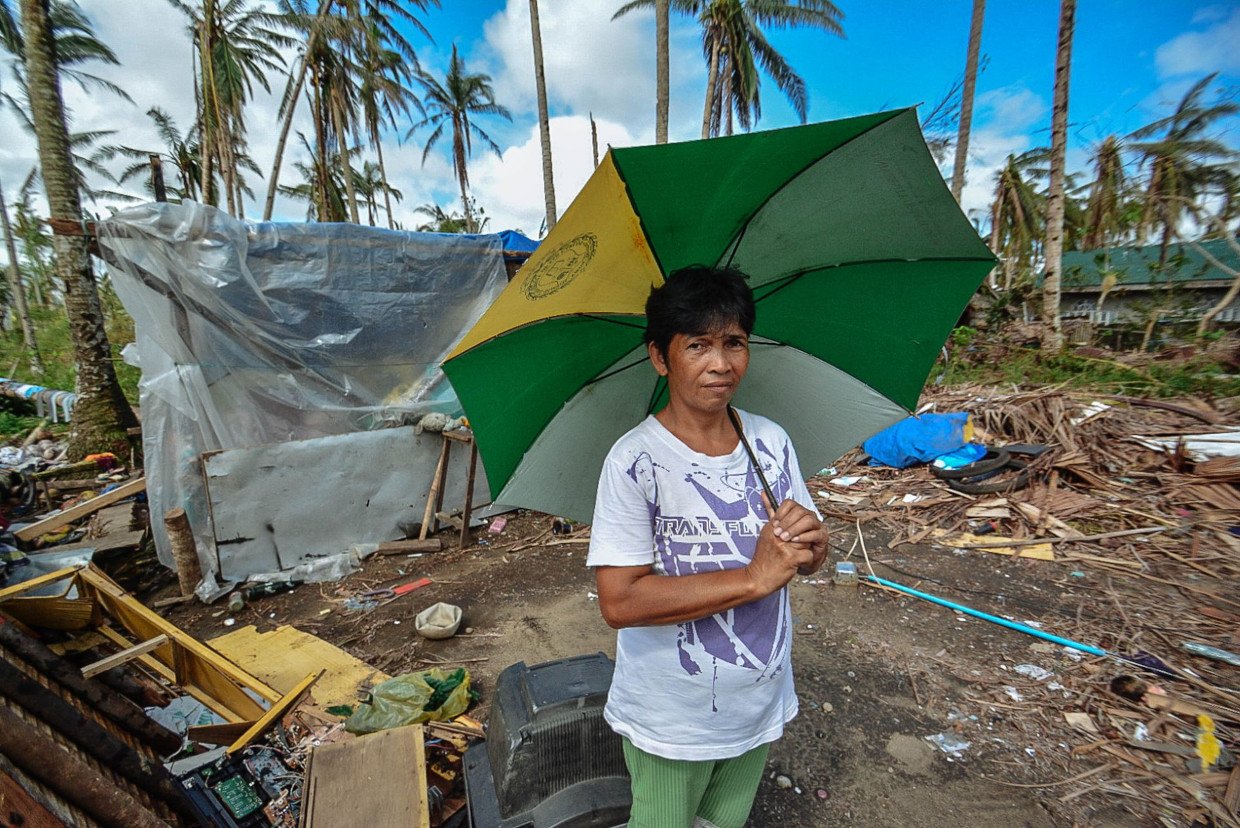
Behind the formal wording is a practical question: who must do what next, and how will the public know whether it has worked? AI forecasting matters most when it helps decision-makers act earlier: evacuating, protecting crops, planning health services or managing infrastructure risk.
The main source for the verified facts in this article is the UK government. The Foreign Office and Met Office announced a strategic partnership on AI weather forecasting on 22 June. The government said the work would help improve global preparation for climate shocks. The partnership was presented as a climate security measure. The importance of those details is that they place the story inside the public record, rather than relying on anonymous briefing or political assumption.
What the record shows
The confirmed position is narrow but significant. It tells readers what has changed, which institution has placed the information on record and which area of public life is now affected. In this case, the core facts are:
- The Foreign Office and Met Office announced a strategic partnership on AI weather forecasting on 22 June.
- The government said the work would help improve global preparation for climate shocks.
- The partnership was presented as a climate security measure.
That distinction matters. Public bodies often announce decisions before the delivery machinery is visible. Readers should therefore separate three things: what has been confirmed, what remains a matter of implementation and what should be tested later through data, inspection or parliamentary scrutiny.
The wider context
Technology policy now sits inside questions of security, competition, democracy and public trust. The test is whether new tools improve resilience and access without weakening accountability, privacy or the ability of citizens to challenge decisions.
AI forecasting matters most when it helps decision-makers act earlier: evacuating, protecting crops, planning health services or managing infrastructure risk. That is why the story should be read not only as an update, but as a measure of institutional readiness. The next phase will show whether departments, regulators, local bodies, companies or service providers can translate the source record into something the public can actually see.
For a UK audience, the relevance is practical. Readers need to know whether the development affects bills, rights, services, safety, jobs, investment, public-health advice, democratic scrutiny or Britain’s relationship with other countries. The answer may vary by region and sector, but the public test remains the same: clear rules, credible delivery and measurable follow-up.
Why it matters
This matters because ai weather partnership aims at climate security sits within a larger pattern of pressure on British institutions. Public services are being asked to manage more demand, regulators are expected to move faster, households face tighter budgets and businesses want rules that are stable enough to plan around. A single announcement can therefore signal a wider shift in the operating environment.
Trust is built when the public can trace a decision from source to consequence. That means knowing who issued the update, what evidence it rests on, what remains uncertain and where accountability will sit if delivery falls short. Without that chain, public-interest reporting becomes either commentary without evidence or official language without scrutiny.
The article also underlines why calm, sourced reporting matters. Fast-moving news often rewards the loudest interpretation, but policy and regulatory stories usually turn on detail. The most useful question is not whether the announcement sounds important, but whether it changes the decisions facing people, institutions or markets.
What to watch
- How the partnership shares capability internationally
- Forecasts reach vulnerable communities
- How model accuracy is evaluated in high-risk weather events.
The next evidence will matter more than the first announcement. Follow-up data, implementation guidance, court or parliamentary scrutiny, regulator action and the response from affected groups will show whether the development becomes durable change or remains a short-lived item in the news cycle.
For now, the responsible reading is to hold two ideas together: the source confirms a real development, but its full consequence will depend on delivery. That is where readers, public bodies and elected representatives should focus their attention next.
There is a further accountability point. Announcements made by government departments, regulators, health bodies, agencies or reputable news organisations often become the basis for decisions by councils, employers, investors, schools, hospitals or households. Where the public is asked to change behaviour or accept new duties, the evidence trail must remain visible. That is what allows readers to distinguish between a verified development, a political claim and a policy still waiting for proof of delivery.